

See the value already inside the business.
Every company contains more value than its current business model captures.
The Holistic Value Blueprint maps the business as a connected system of capabilities, relationships, assets, costs, opportunities and possibilities—revealing where value is realized, where it is constrained, and where something new could emerge.
The Holistic Value Blueprint maps the business as a connected system of capabilities, relationships, assets, costs, opportunities and possibilities—revealing where value is realized, where it is constrained, and where something new could emerge.
Preface
Read the Blueprint as a map of possibilities, not just a description of what already exists.
Value grows through connection.
A business is not only what appears on the income statement. It is also:
- The intellectual property that could serve a new market.
- The capability developed for one purpose that could solve another problem.
- The relationship that could create a new channel.
- The waste stream that could become an asset.
- The customer knowledge that has never been fully translated.
- The capacity waiting for the right application.
That value rarely exists in isolation.
- A capability connects to an asset.
- An asset connects to a customer need.
- A customer need connects to a market opportunity.
- A market opportunity connects back to purpose.
All of these support the business as roots.
- Some of them run deep.
- Some branch into new territory.
- Some stop because conditions are not right.
- Some remain hidden despite containing potential.
The Blueprint traces those connections.
Holistic Value is organized across two axes:
External ↔ Internal
Where value is experienced.
Some value is expressed outwardly through customers, markets, reputation and impact. Some is held internally through operations, capability, resources and people.
Past ↔ Future
Where value comes from.
Some value has already been built: experience, infrastructure, reputation, knowledge. Some exists as possibility: opportunities, ambitions, relationships and capabilities still becoming.
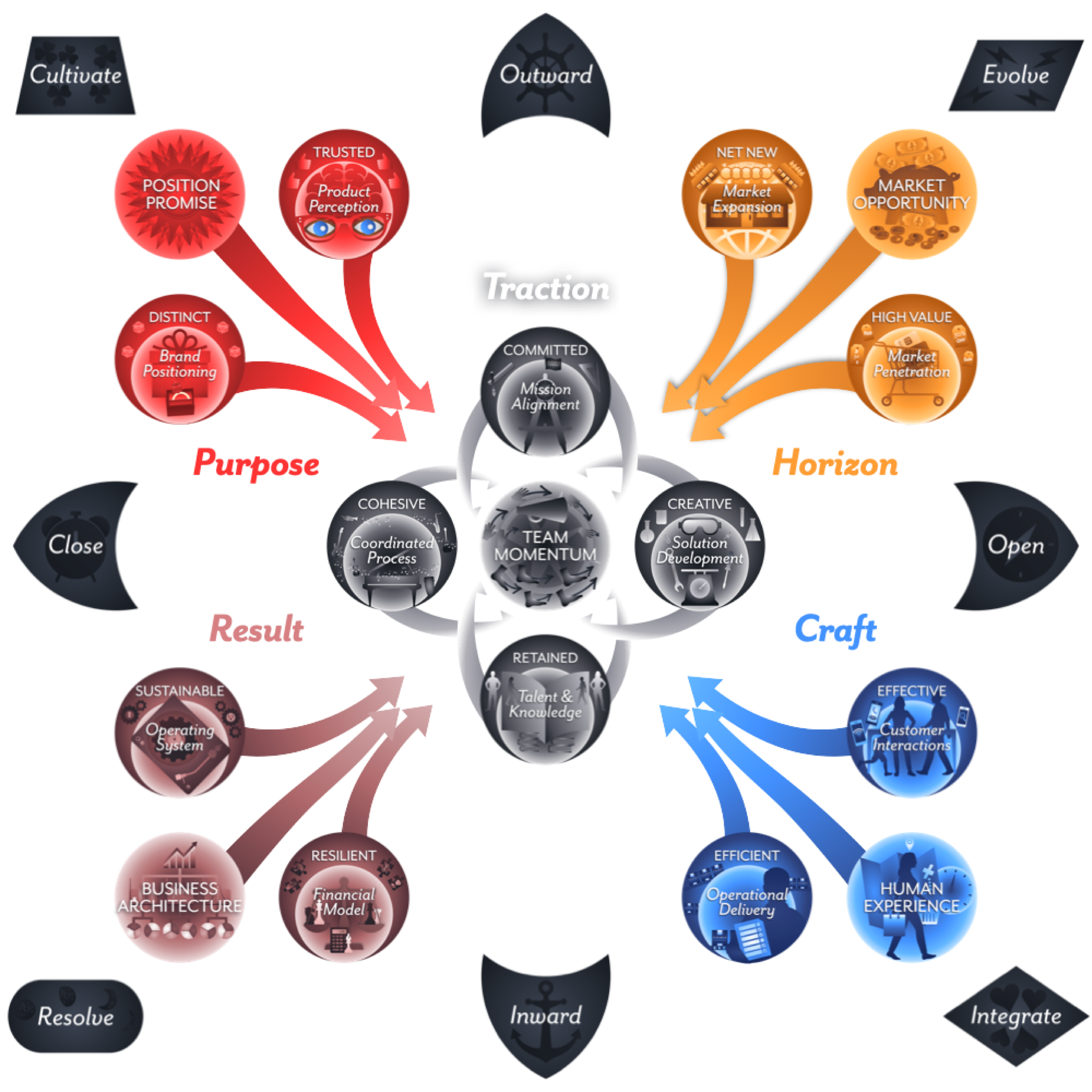
The five dimensions
Each governs a different kind of value.

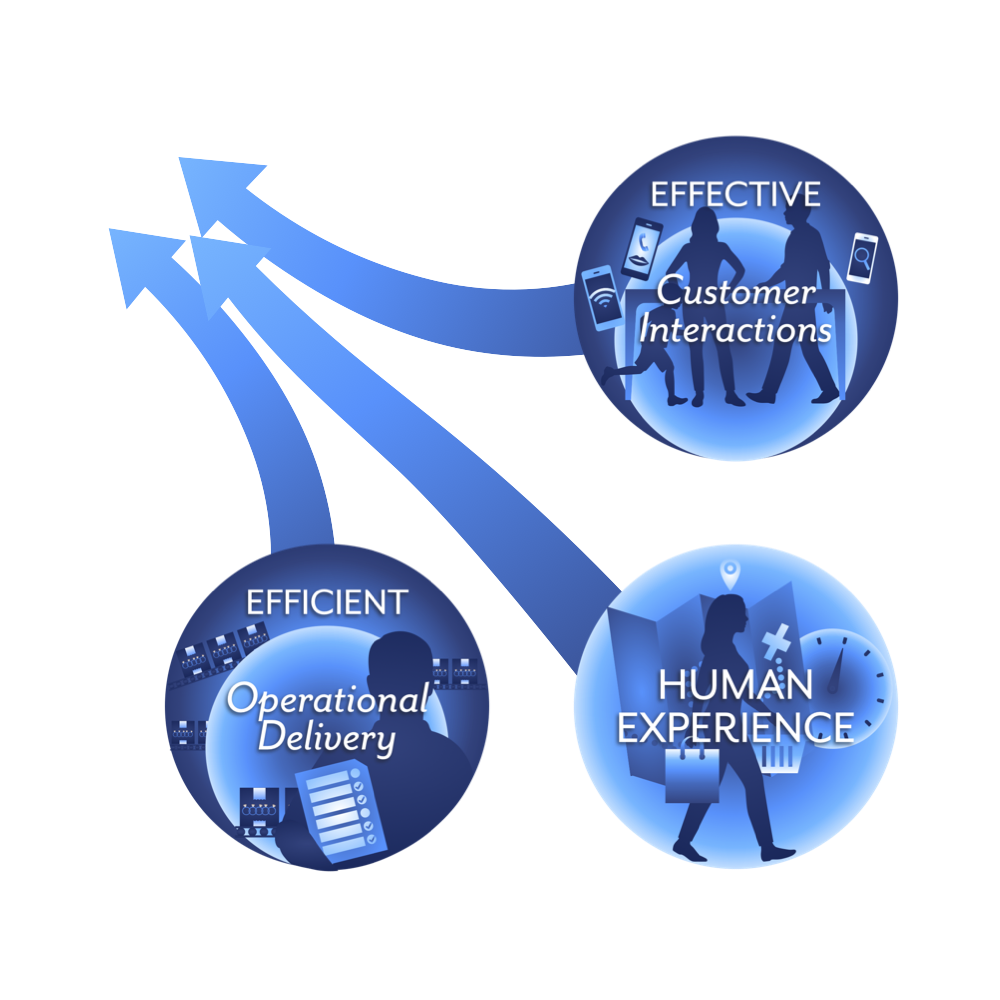
Craft
Human Experience
What capabilities have been built?
Craft asks whether the experience of the business lives up to the intention behind it—from the way work happens internally to what someone ultimately receives.
- distinctive processes
- expertise
- quality systems
- customer experience
- operational knowledge
What can this business do that it may not realize is valuable?

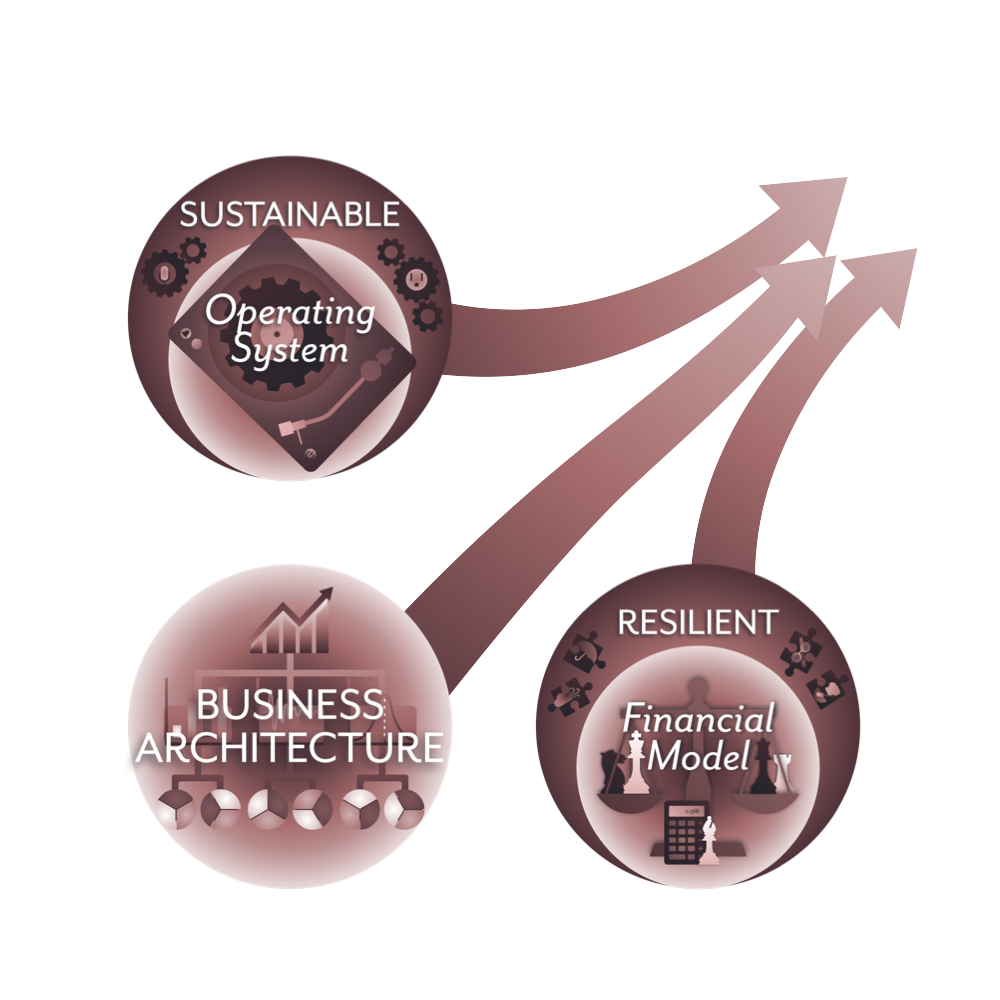
Result
Business Architecture
What assets and structures exist?
Result is the architecture underneath the enterprise: the model, resources, operations and structures that allow value creation to continue.
- financial resources
- operational infrastructure
- data
- systems
- intellectual property
- physical assets
What has been accumulated that could work harder?

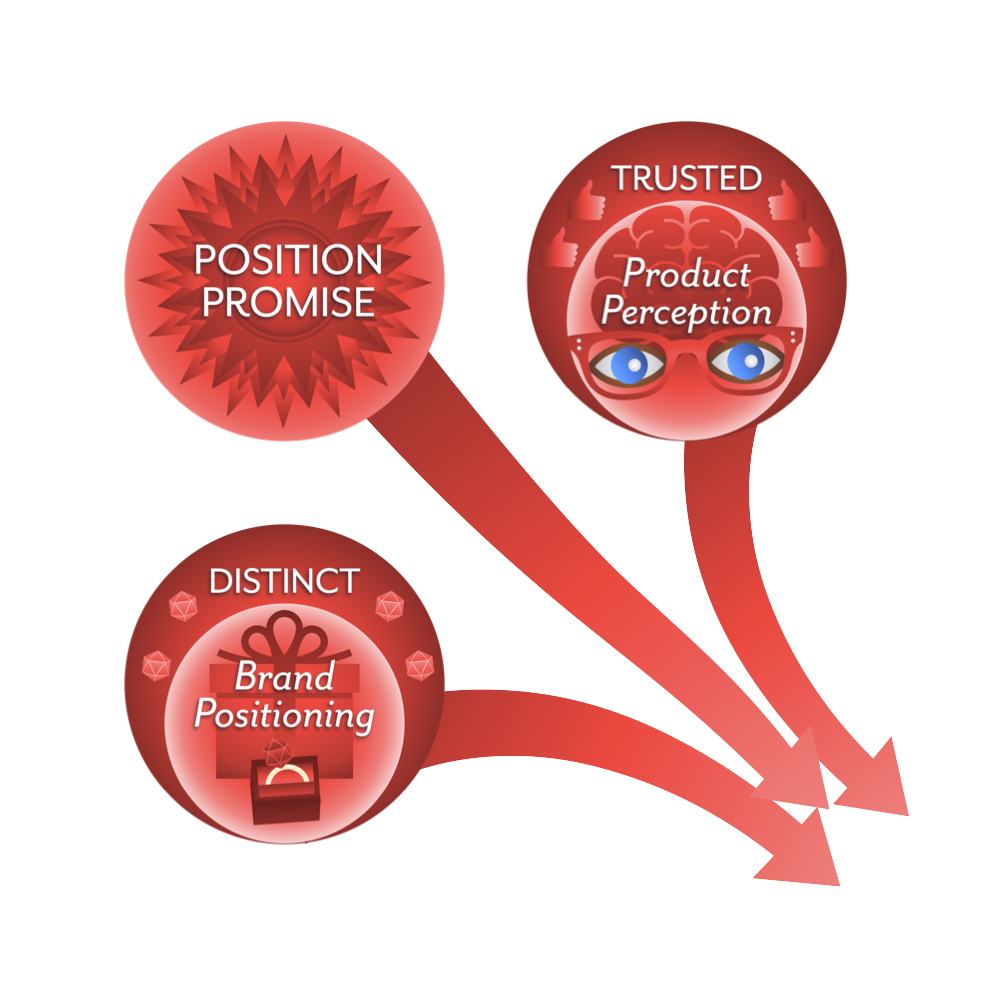
Purpose
Position Promise
What meaning and position already exists?
Purpose is the relationship between what the business offers, what it promises, the position it occupies and what people believe about it.
- reputation
- trust
- customer relationships
- brand equity
- founder story
- market perception
What does this business already mean to people?

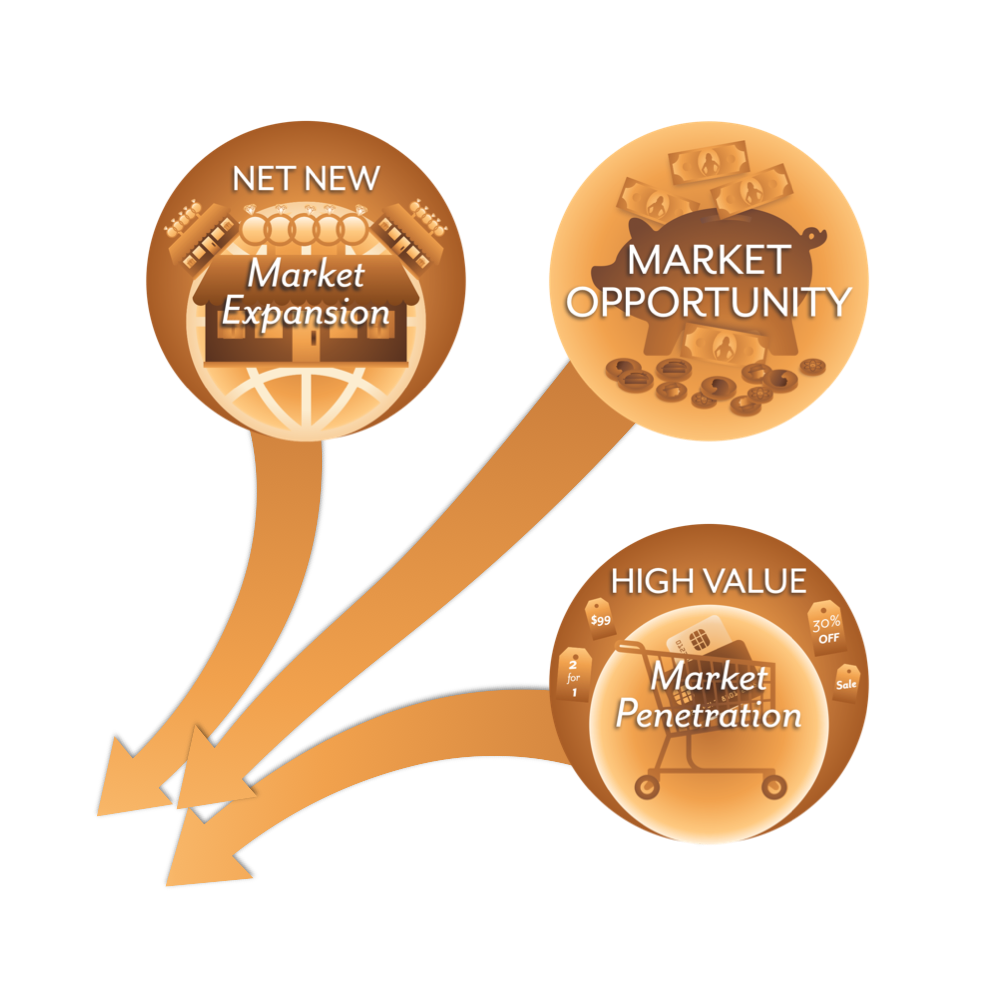
Horizon
Market Opportunity
Where could existing value travel?
Horizon reads the landscape beyond what the business already holds: markets, opportunities, growth and the possibilities worth investing toward.
- adjacent markets
- ready opportunities
- aspirational possibilities
- emerging needs
What becomes possible when existing strengths meet new contexts?

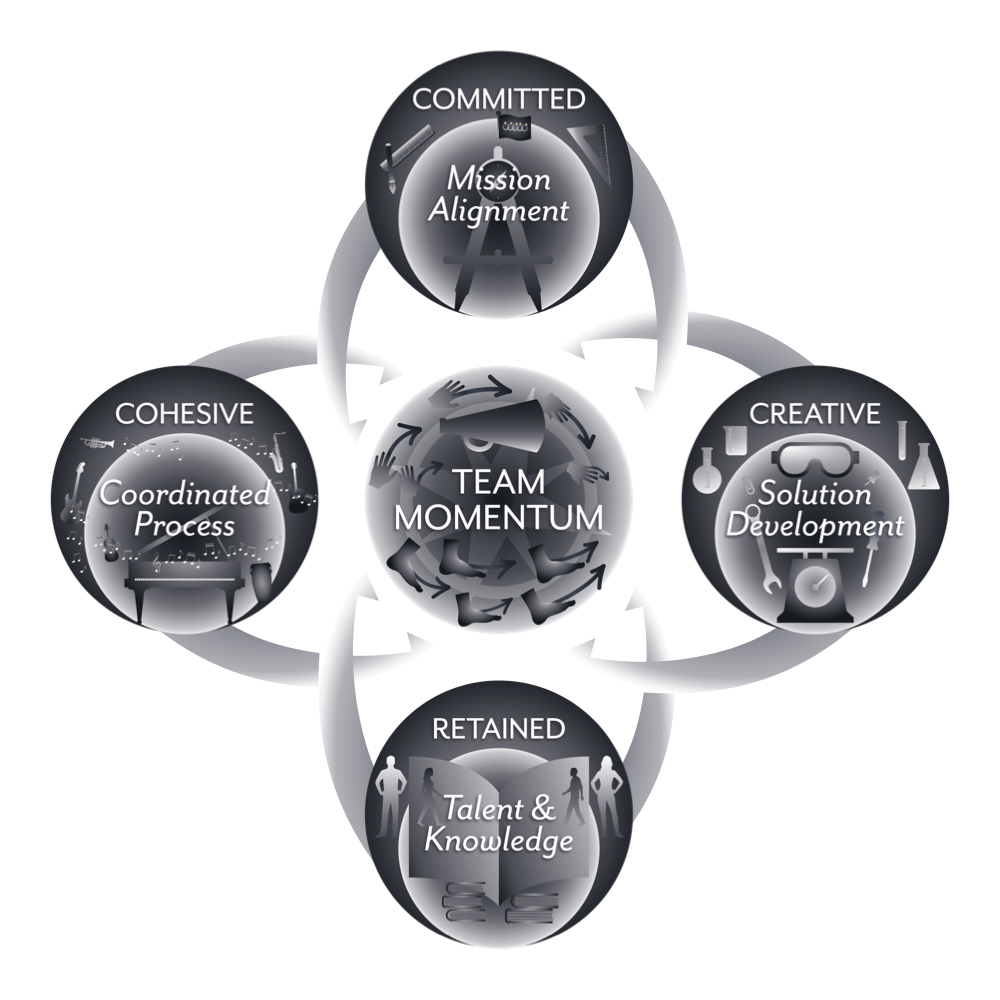
Traction
Team Momentum
Can the organization carry the possibility?
Traction is the breathing system of the business. It reveals whether cognitive, emotional and labor demands are balanced enough to sustain movement.
- financial resources
- operational infrastructure
- data
- systems
- intellectual property
- physical assets
Does the organization have the ability to turn possibility into reality?
What the Blueprint reveals
A landscape of unrealized value.
Existing Value
What the business already creates and sustains.
Latent Value
Capabilities, assets, relationships or knowledge that have not yet found their best application.
Misallocated Value
Resources directed toward activities producing less value than they could elsewhere.
Wasted Value
Costs, effort or outputs that could be converted into something useful.
Blocked Value
Potential that exists but cannot move because another dimension is constrained.
Emerging Value
Possibilities created by combining existing strengths in new ways.
Next Framework
03 Value Creation Equation
From possibility to intervention
The Blueprint reveals what exists and what could become possible.
The next question is what changes the system. Every intervention creates tradeoffs...
The next question is what changes the system. Every intervention creates tradeoffs...